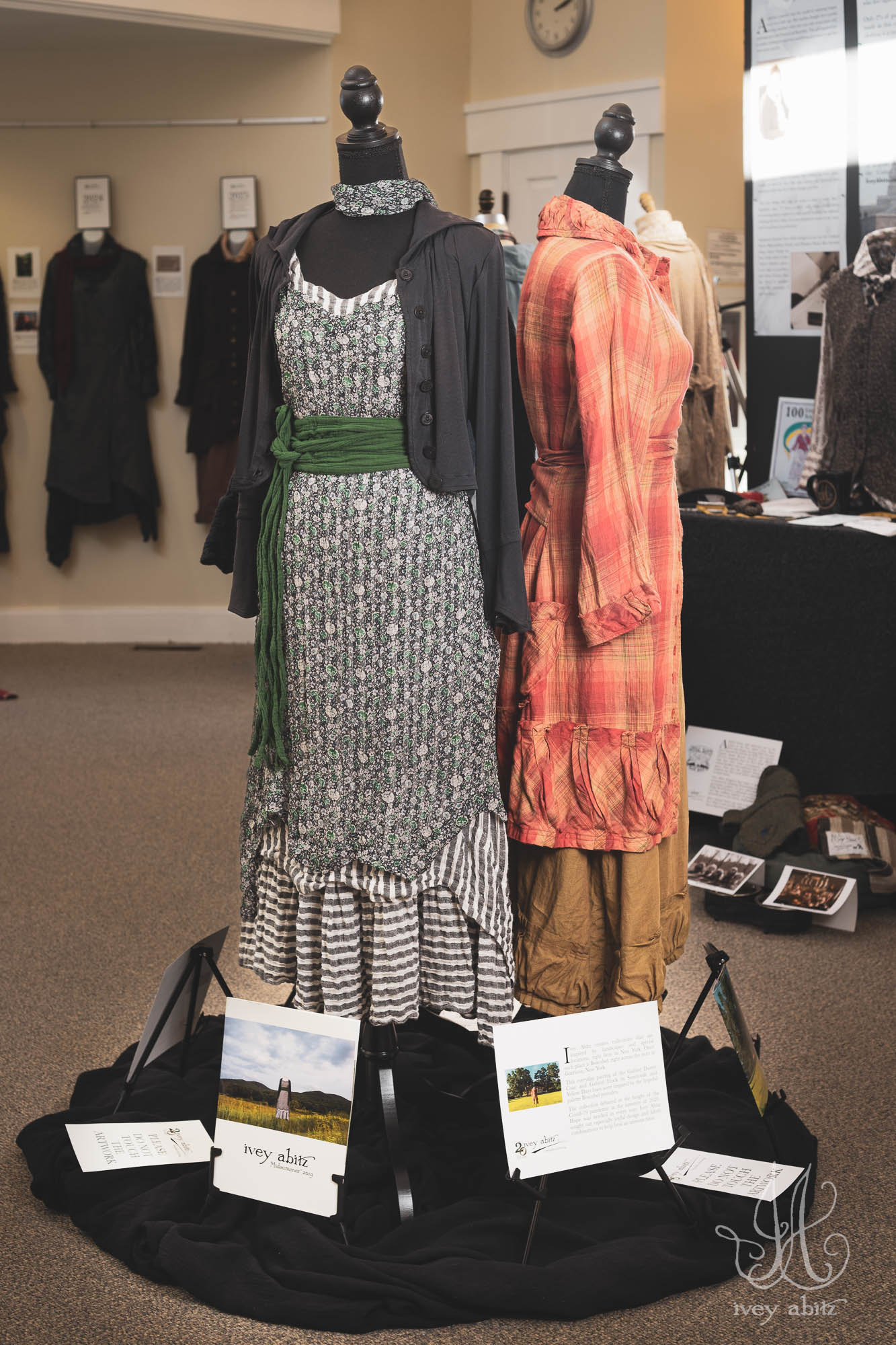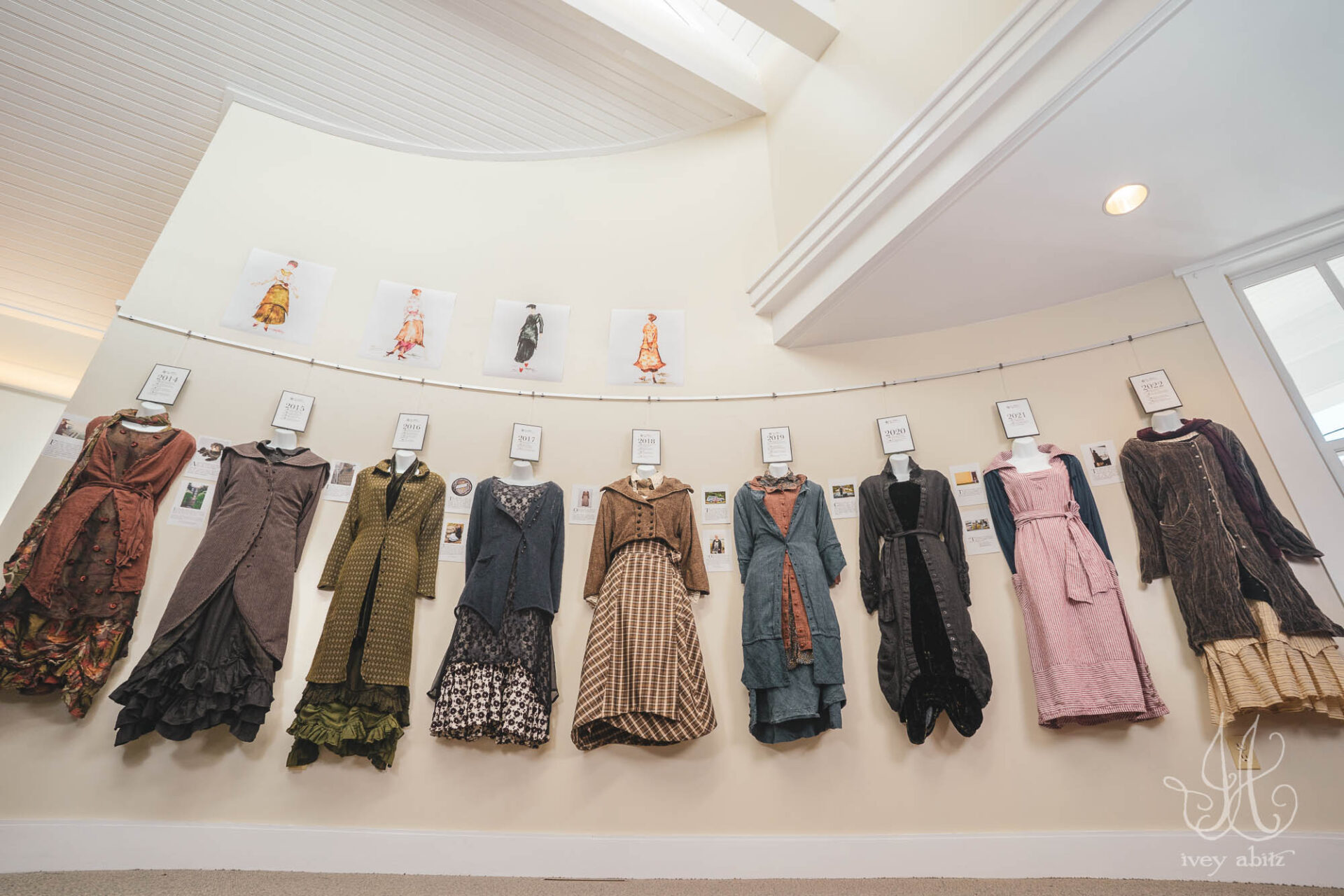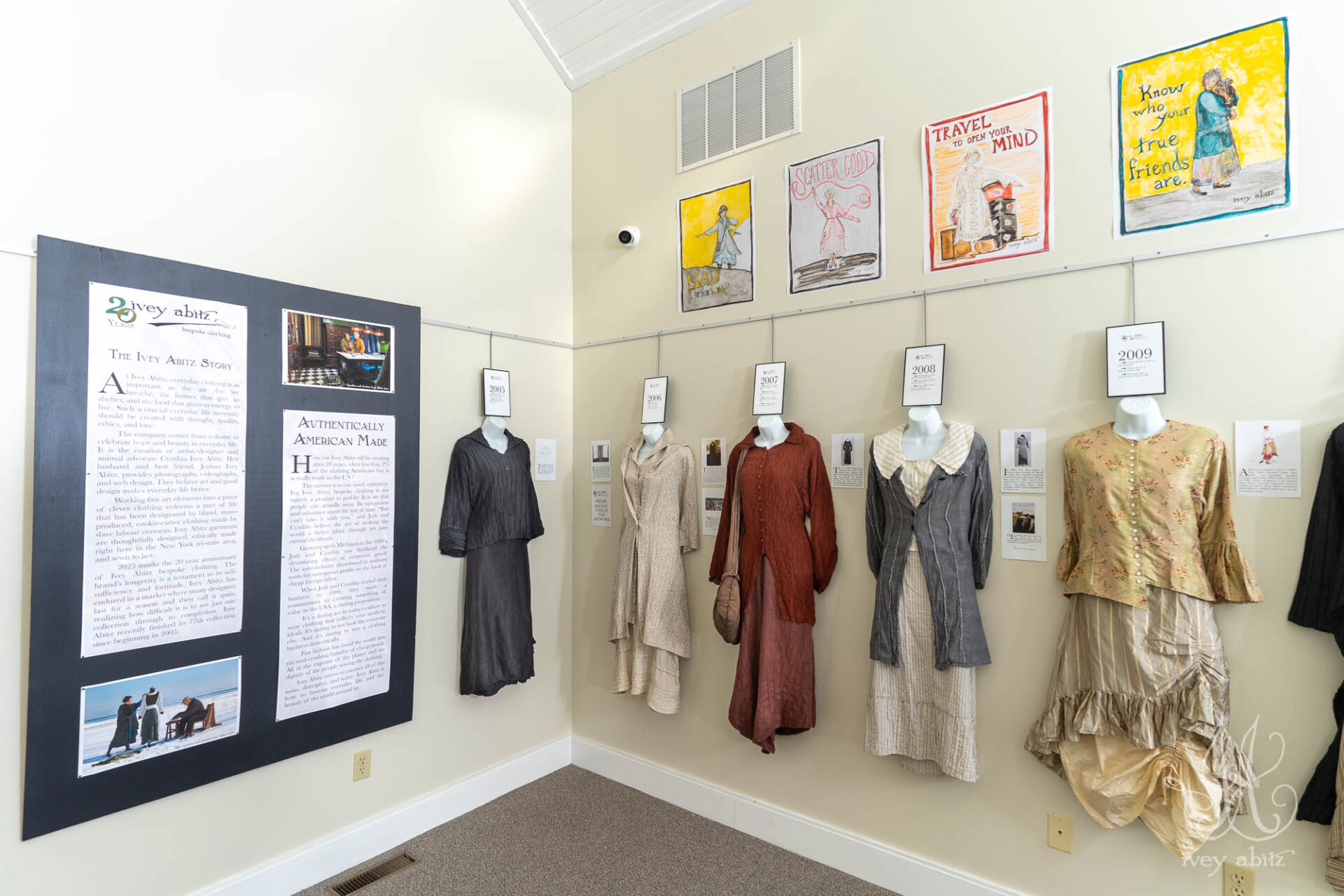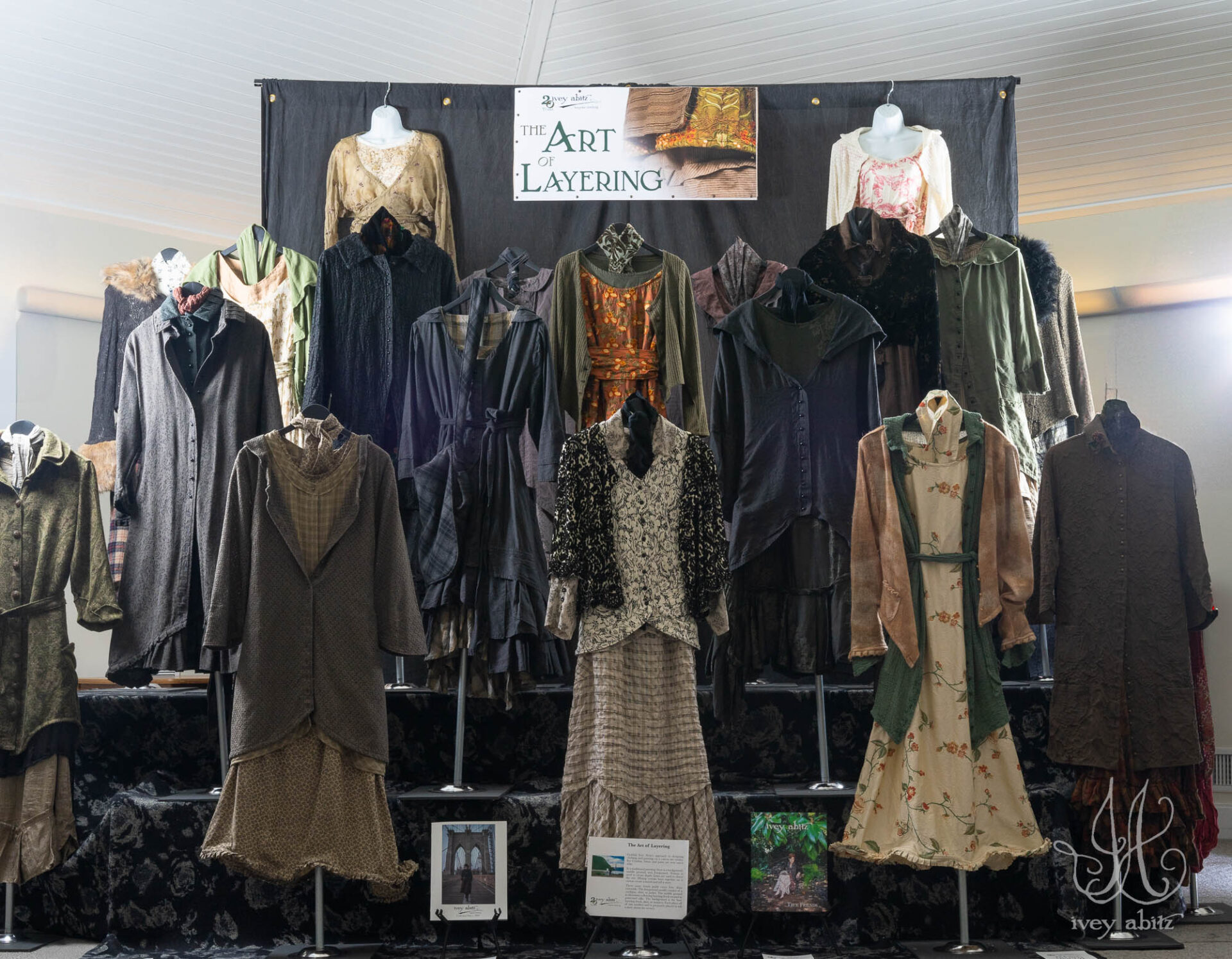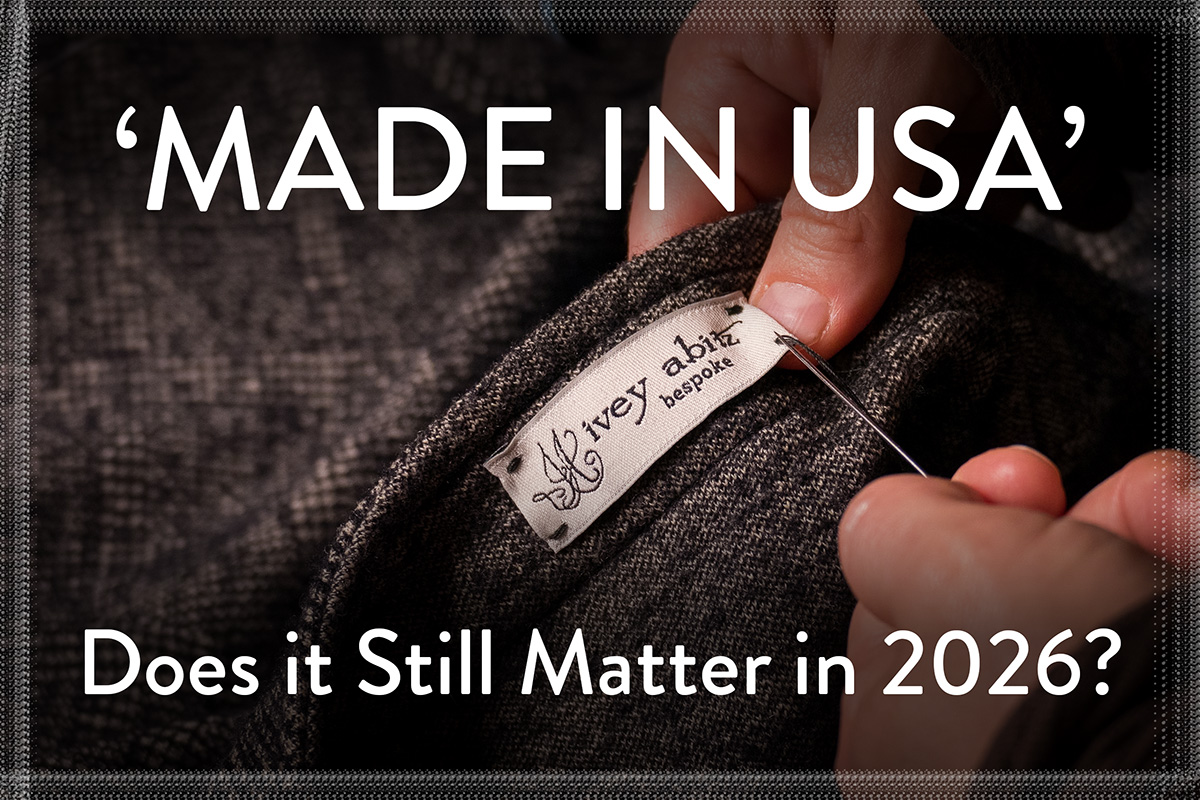
In an era defined by global supply chains and fast fashion, the Ivey Abitz label sewn into your garment has become a quiet revolutionary. It tells a story not just of origin, but of survival.
Does ‘Made in the USA’ still matter?
The answer is unequivocally yes. In 2026, “Made in the USA” matters more than it has in a generation. But to understand why, we must look at the fragile reality of American craftsmanship today.
A Rare Thread in a Global Tapestry
To wear Ivey Abitz is to wear a statistical anomaly. We have always known our garments are special—bespoke, historic, unique, and personal—but today, they are also exceptionally rare.
As of this year, less than 2% of all clothing sold in the United States is actually made here.[^1]
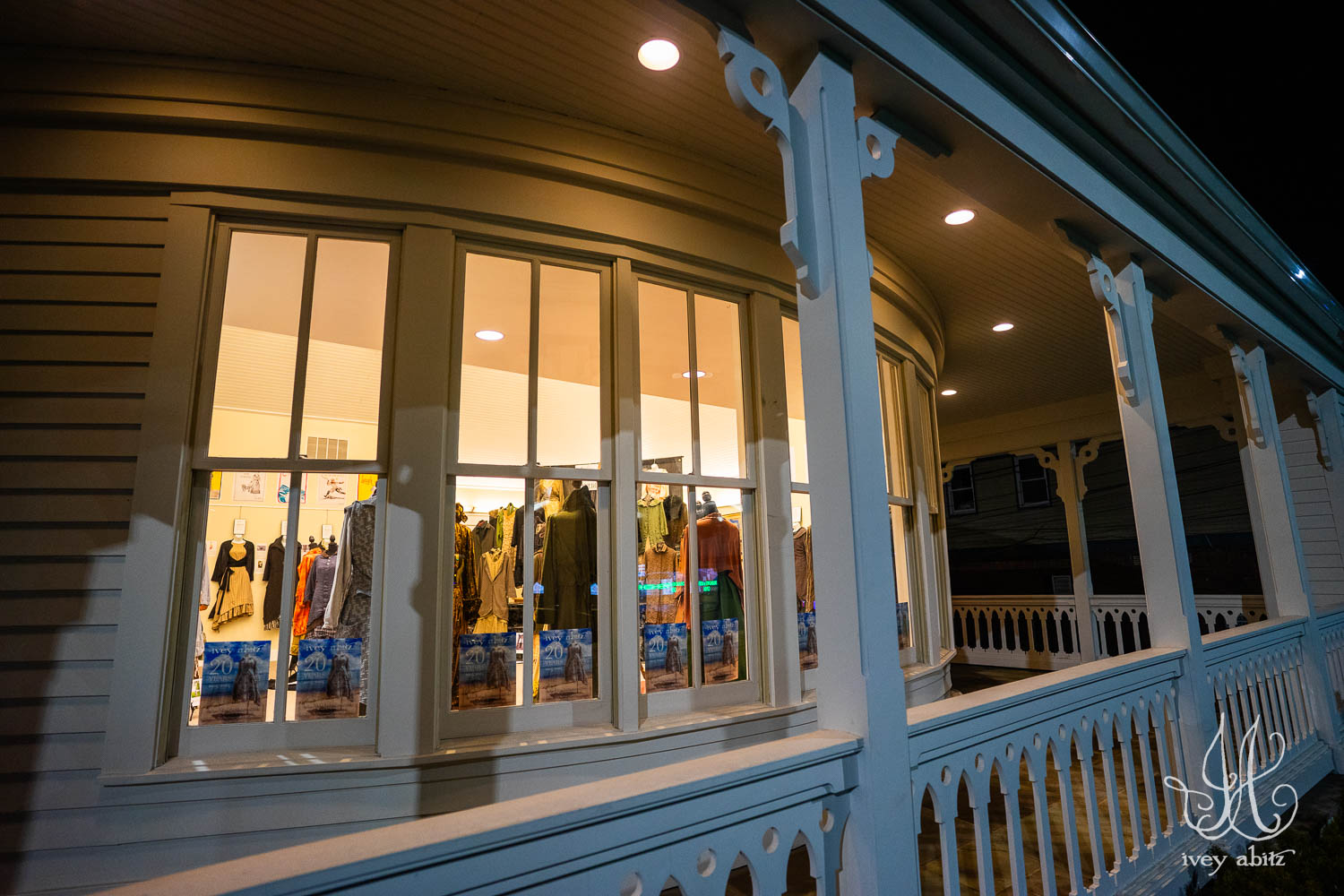
While the rest of the corporate fashion world chases the lowest bidder across oceans, Ivey Abitz remains steadfastly local. We are not just designed here. Our family of tailors lives and works right here in the New York Tri-State area. In a marketplace flooded with disposable imports, authentic stateside tailoring is no longer just a luxury; it is an endangered species.
The Tariff Storm
You may have read the headlines. The trade landscape in 2026 is turbulent. Recent tariffs are wreaking havoc on domestic businesses, creating a chaotic environment for those of us who rely on stable materials and fair trade.[^2]
This economic warfare has casualties. We have watched with heavy hearts as many of our cherished customers who live outside of the states have temporarily stopped buying USA-made clothing. It is not because they have lost love for the artistry of Ivey Abitz garments. It is because retaliatory tariffs and duties on USA-made goods have made them prohibitively expensive to import into their own countries. They are rightfully concerned about garments getting hit with a 100% tariff en route to their lifetime home. This leaves the international community of people who believe in the value of artisan clothing paying a tax on their ethics. [^3]
When you buy Ivey Abitz today, you are not just buying a garment. You are holding the line. You are supporting ethics and values that are under immense pressure from both sides of the border.
Reclaiming the Pride of Place
There was a time when “Made in the USA” was a badge of honor worn by everyone. Yet, somewhere along the way, that pride diminished. Perhaps it was diluted by the ubiquity of cheap, fast fashion, or perhaps we simply forgot the importance of knowing the faces behind the seams.
Clothing should never be made at the expense of someone else’s dignity. Yet this happens with millions of disposable garments made every year by slaves overseas. When did cheap clothing become more important than the humans who are forced to make them? We allowed price tags to eclipse values, and in doing so, we lost a piece of our cultural identity.
But we believe that pride is worth reclaiming.
Buying American-made clothing in 2026 is an act of defiance against a disposable culture. It is an acknowledgment that quality, ethics, and human dignity have a cost—and that they are worth paying for.
Our decision to create Ivey Abitz clothing in the states is not a signal of nativism or isolationism. Rather, it is an act of believing that all humans have intrinsic value no matter where they live. We are all created equal, yet we are all one-of-a-kind. Our clothing should reflect these truths through how they are made, who makes them, and their visual language of aesthetic uniqueness.
It has been our goal for the past twenty years to live up to these ideals. As we look to the future of creating bespoke garments in 2026 and beyond, our philosophy and intent are more important than ever. They are stitched into every single garment, sending a manifesto of love and respect out into the world.
The True Cost of Artisan Clothing
We will be transparent: ‘Made in the USA’ costs more. It requires fair wages, safe working conditions, and an uncompromising dedication to craft that mass production simply cannot replicate.
But ask yourself: what is the alternative?
The higher price of an Ivey Abitz garment is an investment in something permanent. It is an investment in humans with similar values, in the preservation of skilled labor, and in the belief that clothing should be a companion for life, not landfill fodder.
“Made in the USA” still matters because you matter. Your choices shape the world in which we live. And we believe that a world filled with art, integrity, and craftsmanship is absolutely worth the price.
Your Next Step
Discover the 2% difference. Commission your own piece of American history today.
[^1]: Recent industry data estimates that domestic apparel manufacturing accounts for only 2-3% of the clothing sold in the US, with some specific sectors dropping even lower. See “What percentage of clothing is made in the United States?” XZ Apparel, July 2025; see also U.S. Bureau of Labor Statistics, www.bls.gov.
[^2]: Tariffs implemented in late 2025 and early 2026 have disrupted supply chains and increased costs for US exporters and importers alike. See “US International Trade and Investment: Key Shifts in 2025 and What Businesses Should Know for 2026,” Morgan Lewis, Jan 2026.
[^3]: Retaliatory tariffs and increased trade barriers have discouraged international buyers from purchasing US exports due to inflated landed costs. See “President Trump’s Tariffs Backfire on US Textile Exporters,” Bloomberg, Aug 2025.